

Installation And Support
Board Identification
Vnish releases specialized builds for each architecture. An error in selecting the board type can lead to installation failure or incorrect device operation.
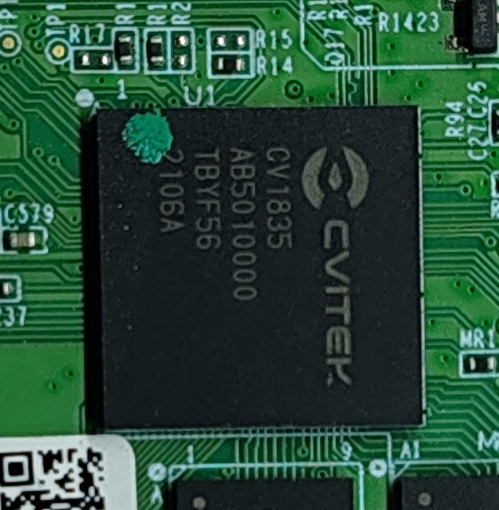
How to Identify the Board
- Visual Inspection: The presence or absence of an SD card reader is the quickest way to identify it.
- Marking: The board type may be indicated directly on the ASIC's cover or casing.
- Automatic Detection: The Vnish Toolkit program can automatically determine the model and board type during network scanning.
Main Board Types and Firmware Installation Methods starting from version 1.2.7
- Method: Direct installation to NAND via Toolkit.
- Characteristic: Visible SD card slot on the front control panel.
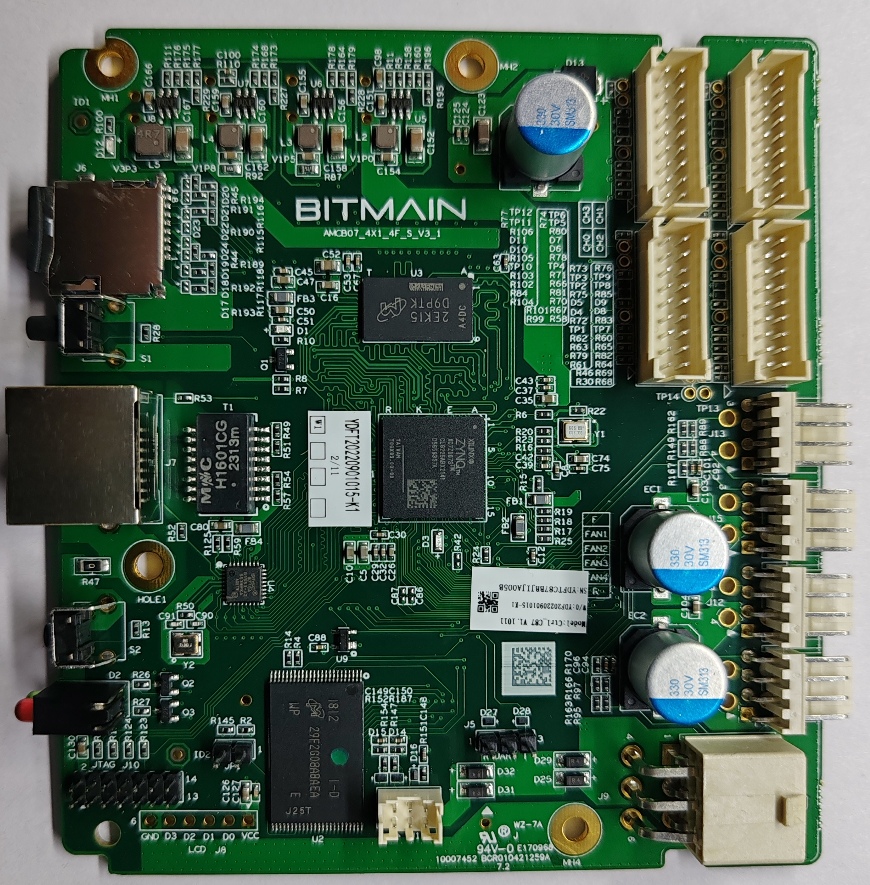
- Processor marking
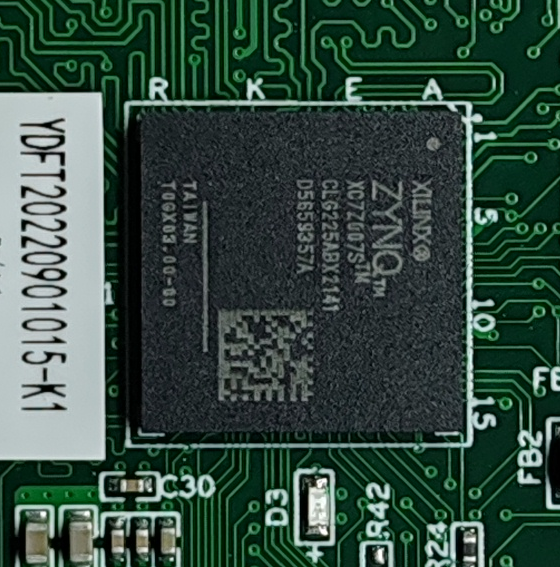
- Method: Direct installation to NAND via Toolkit.
- Characteristic: "Two-story" printed circuit board. The SD card slot is often hidden inside the miner's casing.
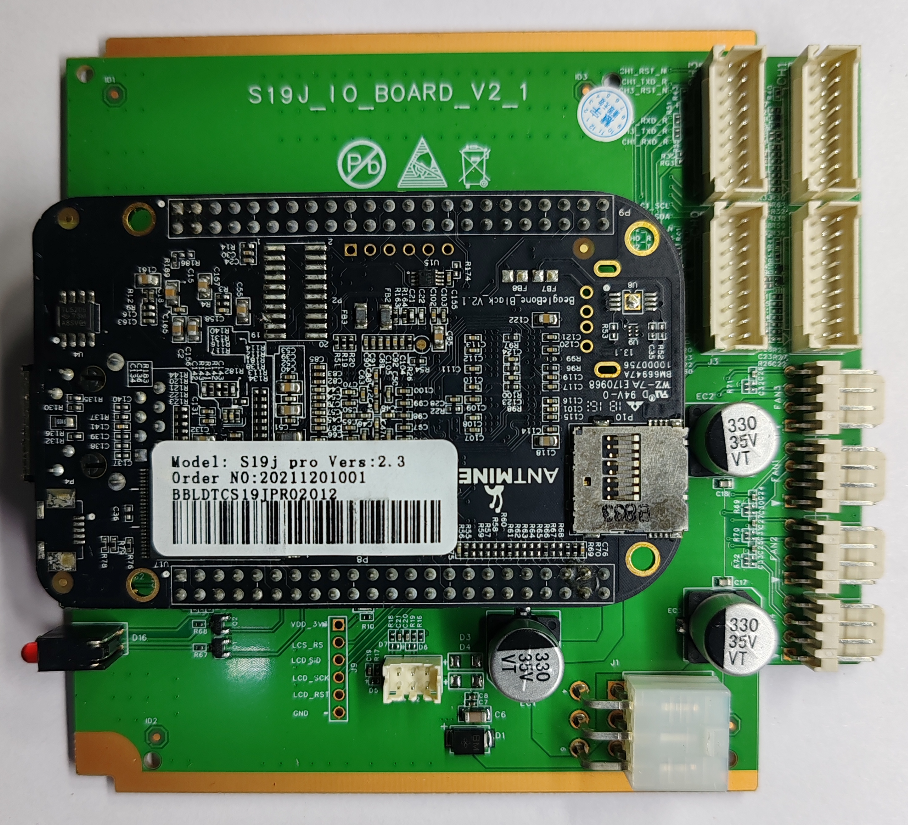
- Method: Primarily direct installation to NAND using special software (Vnish Toolkit).
- Characteristic: Absence of an SD slot; instead, a micro-USB or USB-OTG connector may be present.
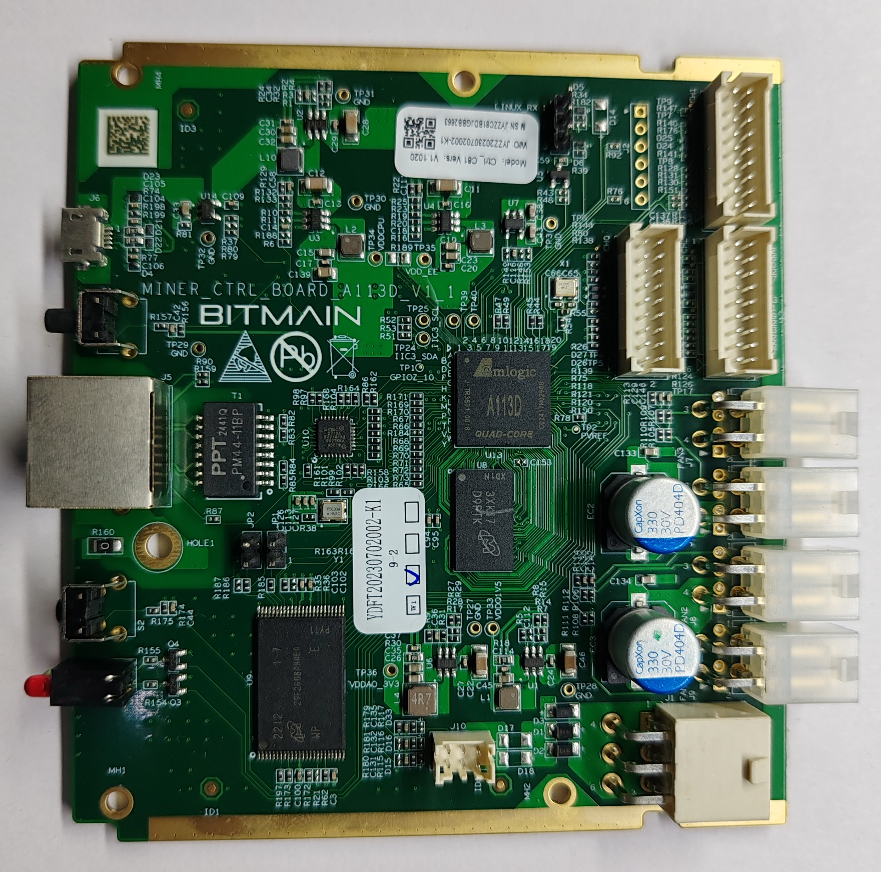
- Processor marking
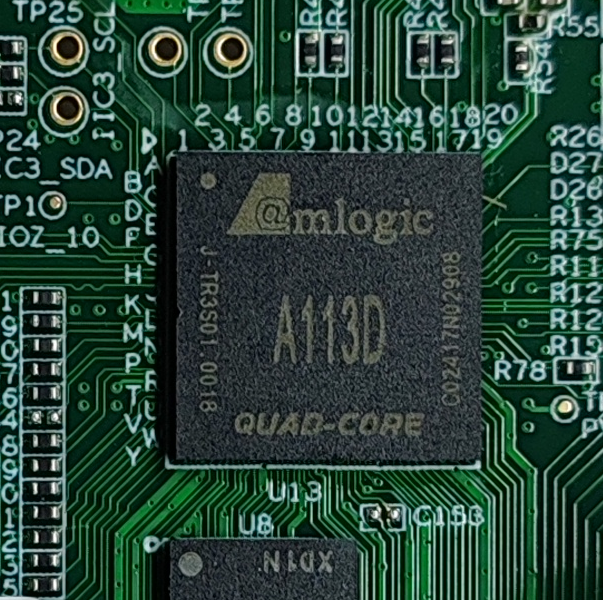
- Method: Installation to NAND via Toolkit. A unique feature of this firmware is the requirement for Toolkit or Phoenix-scanner utilities to run in the background, scanning the subnet for miners and restoring the equipment to working condition with Vnish firmware after power loss or reboot.
- Characteristic: Presence of an external SD card slot.
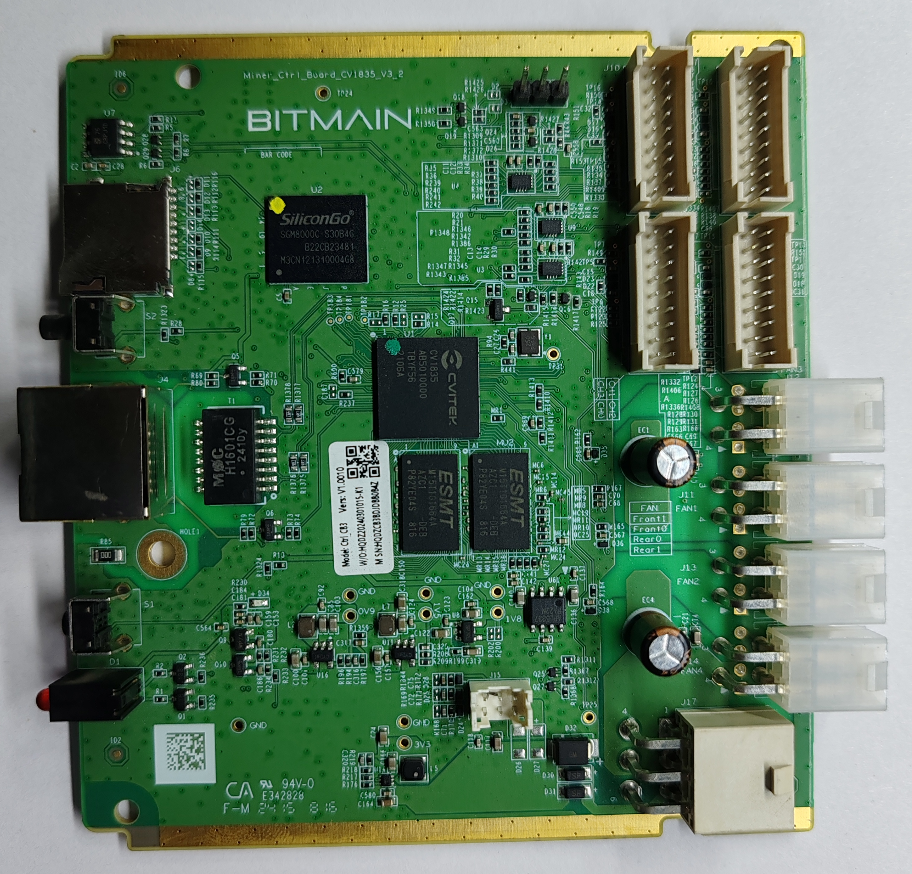
- Processor marking
Miner Support
Vnish firmware is designed for a wide range of modern and classic miner models, providing support for various algorithms and cooling systems.
Firmware Installation and Update
For a successful transition to custom software, the user must first verify equipment parameters. This is a critically important step that minimizes the risk of software failures ('bricking') and technical issues during subsequent updates.